
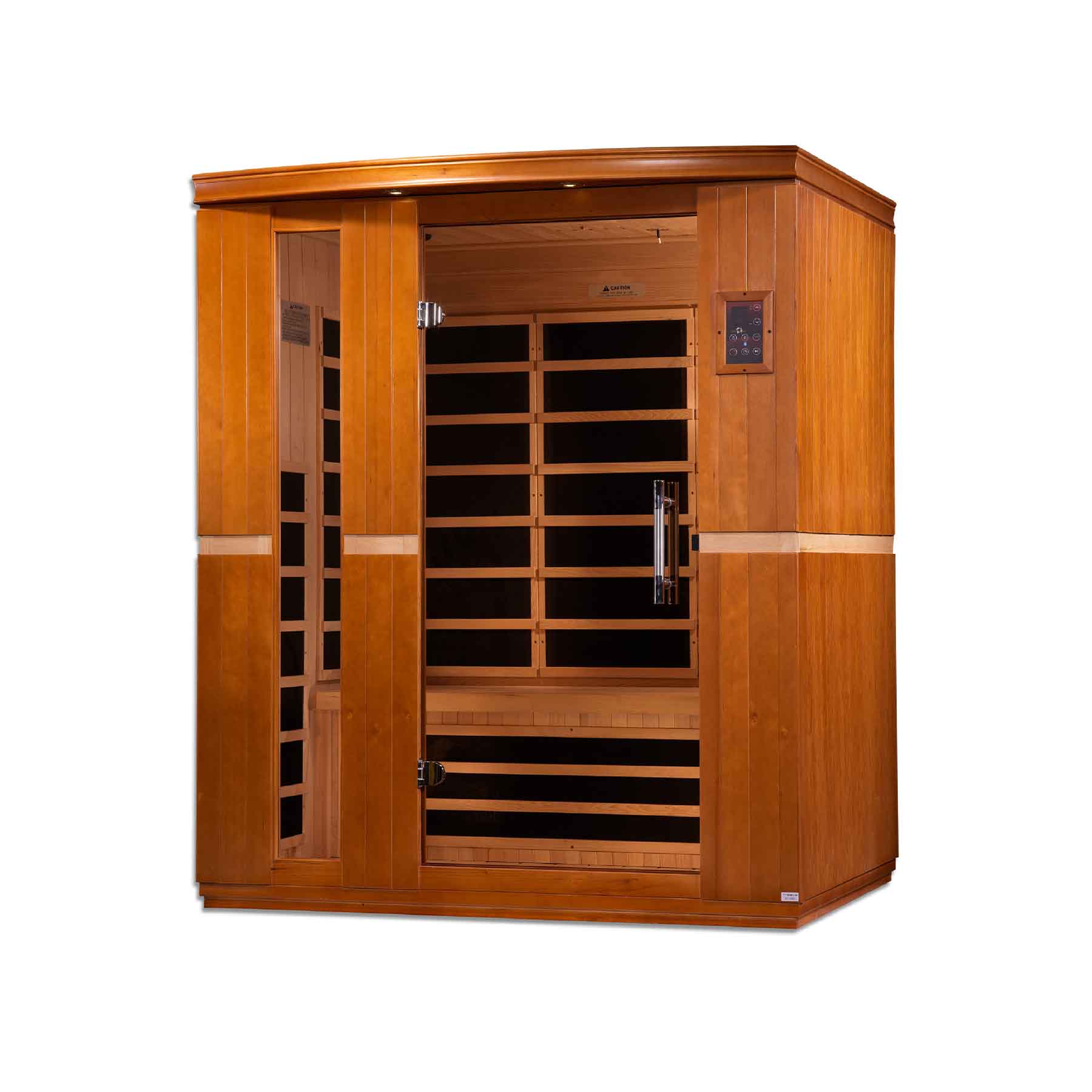
In short: on 17 October 2025 AnySauna announced a push to help shoppers compare indoor infrared saunas with clearer specs, power and placement guidance. The announcement cited a Technavio forecast that the U.S. sauna market would add about $151.3 million from 2025 to 2029, growing about 6.4% a year. Technavio's newer edition (May 2026) puts it at about $161.3 million of growth from 2025 to 2030, about 6.5% a year.
This page keeps the original announcement on record and adds what the numbers do and don't tell a home buyer. Market figures were last checked in November 2026.
What we announced in October 2025
AnySauna, an online store for saunas and bath products, said it would publish buyer guides, checklists and side-by-side comparisons so shoppers can choose an infrared sauna that fits their room, wiring and routine. That work is now on the blog. Our sauna size guide, placement guide and best home infrared saunas roundup are good places to start.
It followed our 2023 look at rising U.S. searches for infrared saunas.
U.S. sauna market outlook
These figures come from Technavio, an independent market research firm. Its reports cover all sauna types (traditional, steam and infrared) and all buyers (hotels, gyms, households and others), not home infrared saunas alone.
| Figure | 2025 to 2029 edition (cited in our release) | 2026 to 2030 edition (published May 2026) |
|---|---|---|
| Added market value | About $151.3 million | About $161.3 million |
| Yearly growth (CAGR) | About 6.4% | About 6.5% |
| Main driver named | Focus on wellness and self-care | Longevity and preventive health habits |
| Segments highlighted | Not stated in the summary | Hotel segment worth about $156.3 million in 2024; traditional saunas held the largest product share |
Sources: Technavio's U.S. sauna market report summary (2026 to 2030 edition) and its January 2025 press release on the 2025 to 2029 edition.
How to read these numbers
- It's the whole sauna market. Hotels are a large share and traditional saunas the biggest product type, so the growth figure isn't a measure of home infrared sales on their own.
- It's a forecast. Market research firms revise these figures with each edition, as the move from 6.4% to 6.5% shows.
- It doesn't change what fits your home. Room size, wiring and how you like your heat matter far more than market trends.
What to check before you buy an infrared sauna
- Space: measure the outside size, door swing and ceiling height, and keep the sauna in a dry indoor spot away from water.
- Power: most 1 to 2 person infrared saunas we sell need a dedicated 120V, 15A outlet, and many 3 to 4 person models a dedicated 120V, 20A outlet, with no GFCI or extension cord. Check the listing and have an electrician confirm.
- Heat style: infrared cabins run at about 120°F to 140°F and warm up in about 20 minutes; a traditional stove sauna runs hotter and takes longer. Our infrared vs traditional comparison explains the trade-offs.
- Running cost: at the U.S. average of about 18 cents per kWh (EIA, 2026), a 2-person infrared sauna costs roughly 27 to 36 cents an hour to run, against about $1.08 an hour for a 6 kW stove.
- Budget and support: compare total cost, including delivery and any wiring, in our home sauna cost guide, and check the warranty terms on each listing.
About AnySauna
AnySauna sells indoor and outdoor saunas, steam showers and bath products online, with buyer guides on sizing, power, placement and care to help you choose.