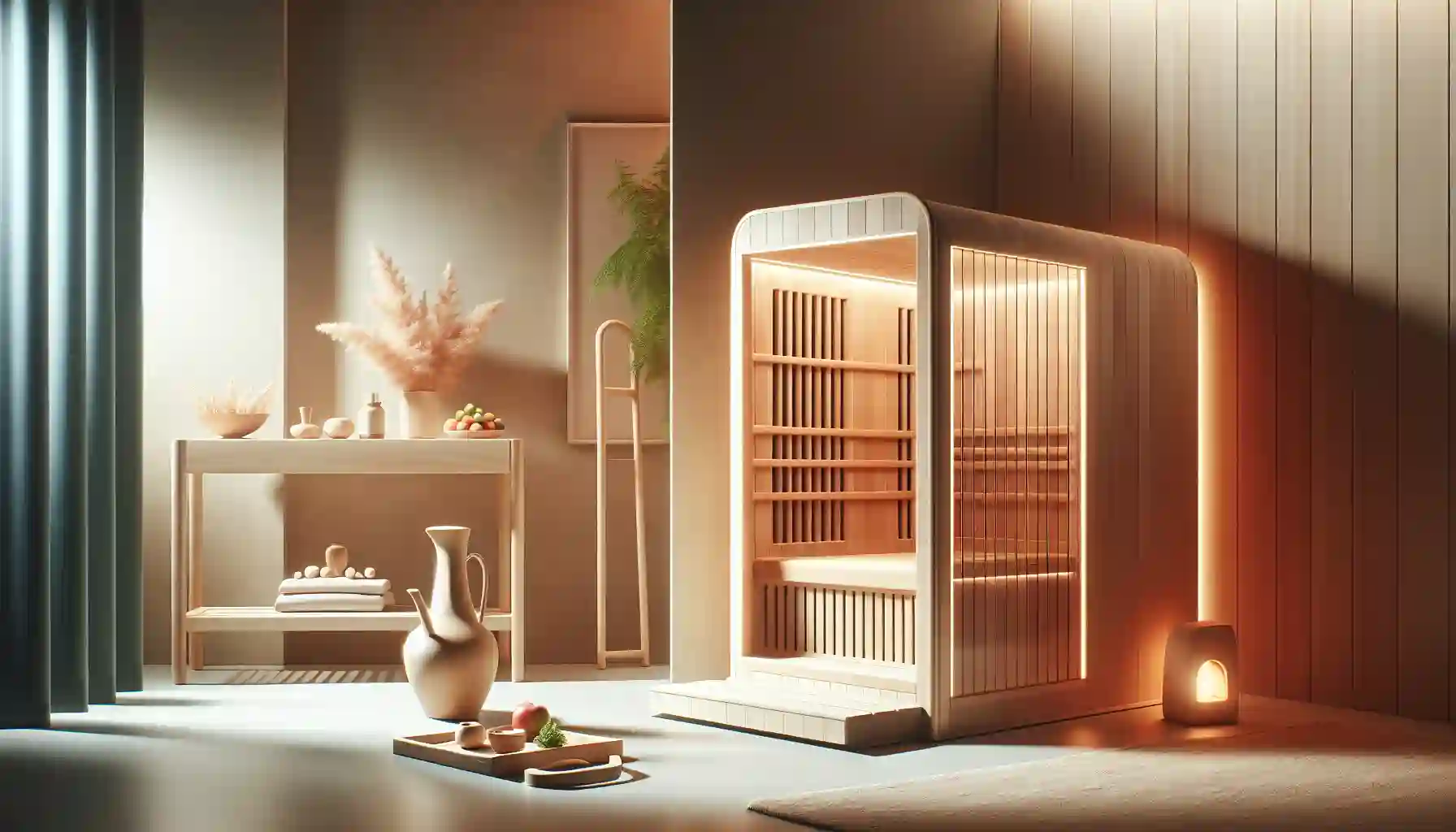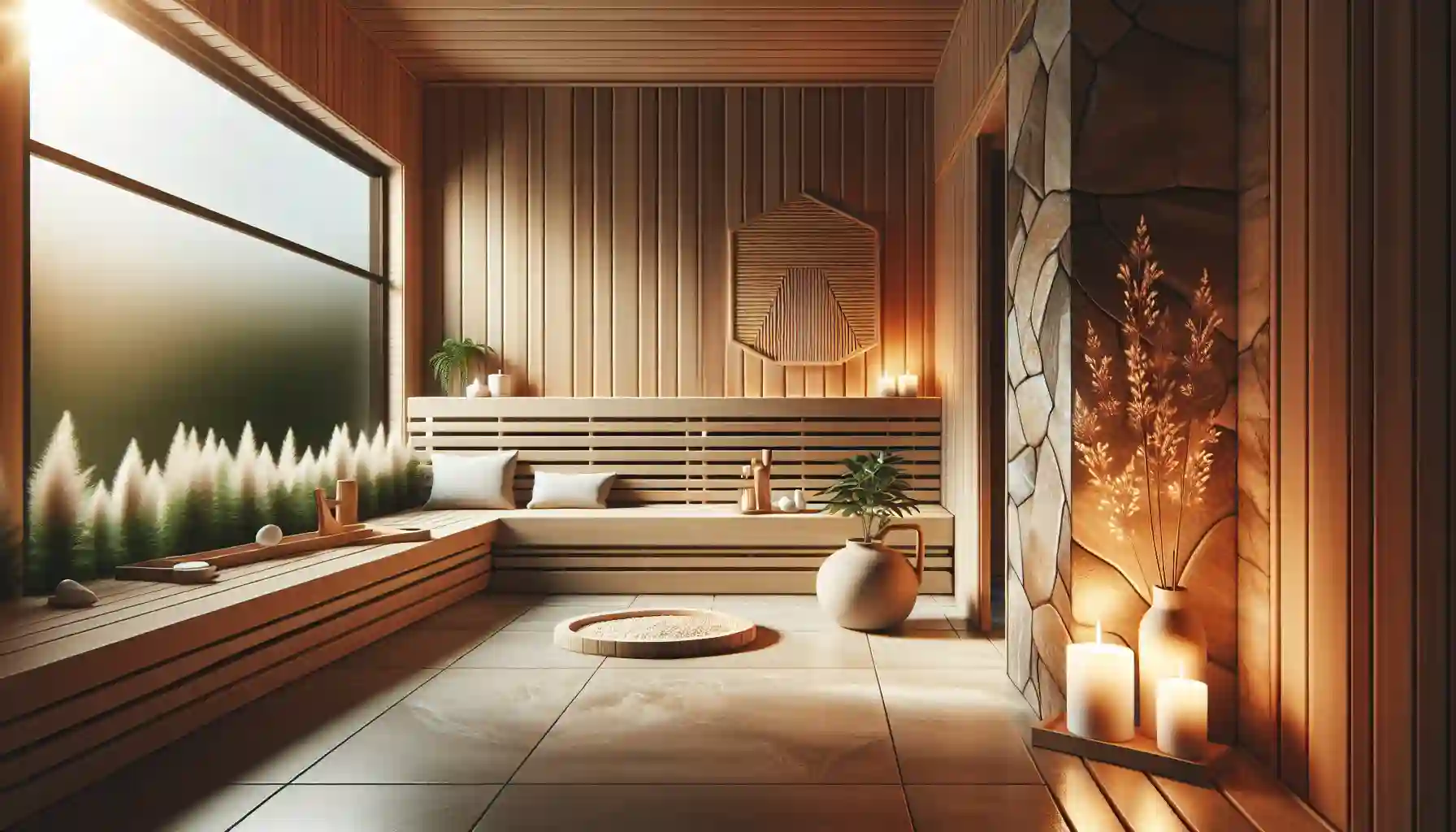
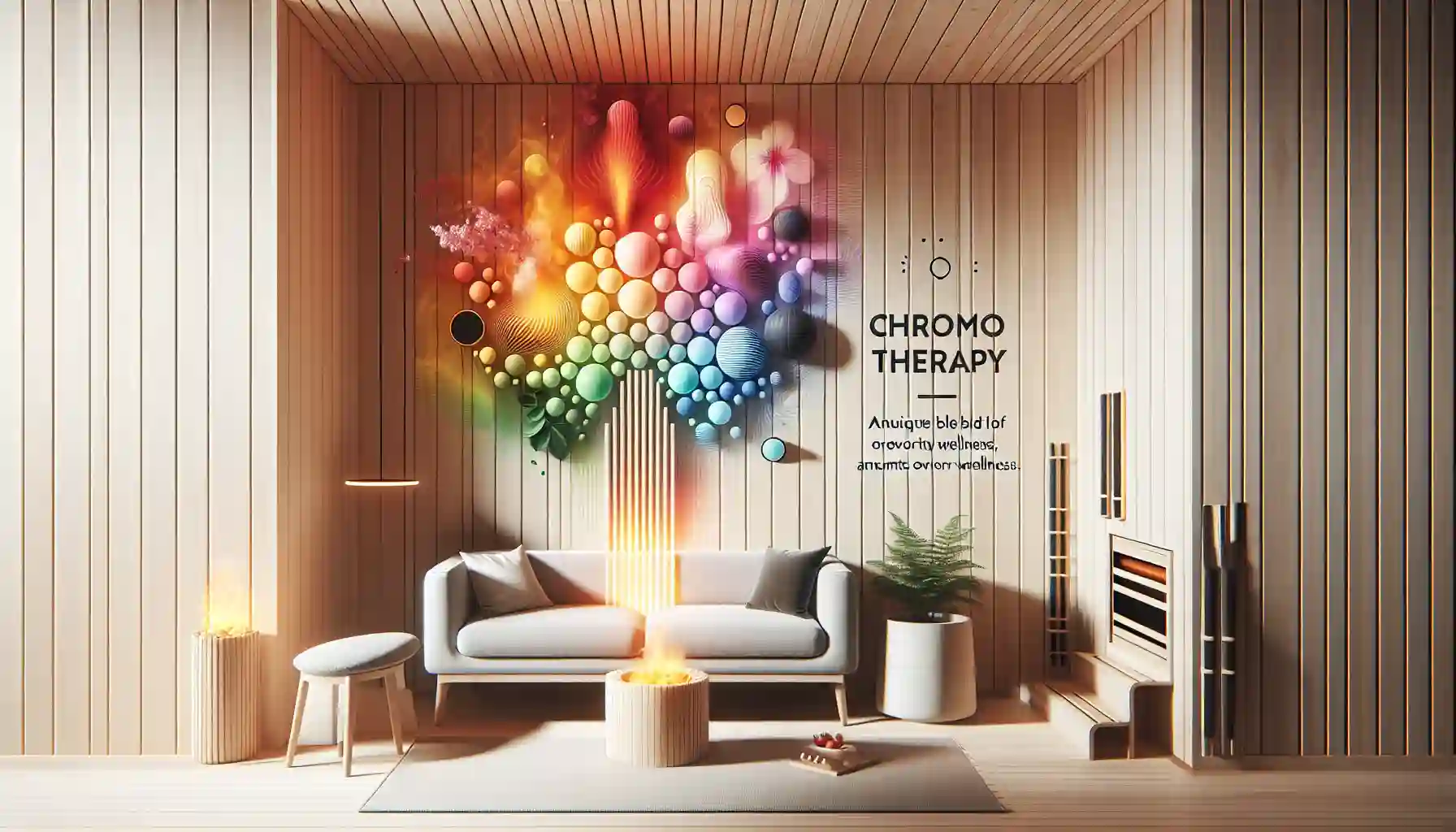
Have you ever noticed how the golden light of a sunset can make you feel calm, or how a bright, sunny morning lifts your mood? Color and light shape how a space feels. Chromotherapy lighting brings that idea into an infrared sauna, letting you bathe the cabin in a color of your choice while you relax.
This guide explains what chromotherapy is, what each color is traditionally said to do, what the research actually supports and how to get the most from the lighting in your own sauna. For the bigger picture on heat sessions, see our guide to infrared sauna benefits.
What Is Chromotherapy in an Infrared Sauna?
Chromotherapy, also called color therapy, is the practice of using colored light to set a mood. The idea is old, with traditions in ancient Egypt, India and China that linked colors to different qualities. Modern chromotherapy in saunas is simpler: LED lights built into the cabin let you choose a steady color or cycle through several.
An infrared sauna warms your body directly with heating panels, so the air stays cooler than in a traditional sauna. The chromotherapy lights don't add heat or change how the infrared panels work. They change the look and feel of the room, which can make a session more pleasant and help you settle in.
A Note on the Science
Light therapy is an established medical treatment for a few specific uses, such as bright light boxes for seasonal depression and blue light for jaundice in newborns. Those treatments use measured doses from medical devices. Sauna mood lighting is not that, and there is no good evidence that colored sauna lights treat or heal any condition.
What research does support is that light and color affect how we feel and how alert we are. For example, a small 2017 study of 12 people in PLoS One found that participants relaxed faster after a stressful task under blue lighting than under ordinary white light (Minguillon and colleagues). It was a short, early study, so treat it as interesting rather than proof.
The Mayo Clinic notes that studies of infrared saunas have not found harmful effects, but that more research is needed on their benefits (Mayo Clinic). The fairest way to think about chromotherapy is as a comfort and mood feature that makes your sauna time more enjoyable.
What Each Color Is Traditionally Linked With
Color meanings come from tradition and personal preference, not from medical research. Use them as a starting point and pick what feels good to you.
Red: Warm and Energizing
Red is linked with warmth, energy and vitality. Many people like a deep red glow because it feels cozy and pairs naturally with the warmth of the heat. Some saunas add a separate "red light" setting; we don't make skin or health claims for these lights, since clinical red light treatments use specific wavelengths and doses.
Orange and Yellow: Bright and Cheerful
Orange and yellow feel sunny and upbeat. They are popular for morning or daytime sessions, especially in darker winter months when you want a brighter space.
Green: Balanced and Natural
Green is the color of nature and is often described as calm and steady. It is a gentle middle ground if you aren't sure what to choose.
Blue: Cool and Calming
Blue suggests sky and water, and many people find it peaceful. It suits a daytime wind-down after a busy morning or a workout.
Purple and Violet: Quiet and Reflective
Purple is often chosen for meditation or quiet breathing practice. A soft violet glow can make the cabin feel calm and still.
Which Colors Are Best Before Bed?
If you use your sauna in the evening, choose dim, warm tones such as red, amber or orange rather than bright blue. Blue light is the part of the spectrum most likely to make you feel alert and to shift your body clock. Harvard Health advises using dim red lights at night, because red light is less likely to shift your circadian rhythm and suppress melatonin, and avoiding bright screens for two to three hours before bed (Harvard Health). The Cleveland Clinic likewise explains that blue light at night can make it harder to fall asleep (Cleveland Clinic).
So save blue for earlier in the day, and let a warm, low glow be part of your evening wind-down.
What You Can Realistically Expect
A more relaxing atmosphere. Soft, colored light can make the cabin feel calmer and more inviting than plain white light.
An easier wind-down routine. Choosing a color you like can become a simple cue that it's time to switch off.
A better fit for the time of day. Bright tones for mornings, warm and dim tones for evenings.
Personal choice. You can match the color to your mood, or turn it off and enjoy the heat on its own.
What chromotherapy can't do is treat pain, illness, skin conditions or mood disorders. If you are dealing with any of those, talk to your doctor.
Is Chromotherapy Safe? Who Should Check With a Doctor?
Sauna mood lighting uses ordinary visible LED light, so it is low risk for most people. The heat matters more. Check with your doctor before using an infrared sauna if you:
Are pregnant
Have a heart condition, such as unstable angina, a recent heart attack or severe aortic stenosis
Have low blood pressure or are prone to fainting
Take medicines that affect sweating, heart rate, blood pressure or body temperature
Are sensitive to light, have a history of light-triggered migraines or seizures, or take medicines that cause light sensitivity
If color-changing or flashing modes bother you, use a single steady color or switch the lights off. Our sauna safety tips cover session times and hydration in more detail.
Choosing a Sauna With Chromotherapy Lighting
Many home infrared saunas now include chromotherapy LEDs. When you compare models, look at:
Controls. Can you pick a single color, or only cycle through them? A steady-color option is handy for evening sessions.
Placement. Lights in the ceiling or behind the backrest give a softer glow than a single bright bulb.
Extras. Some models pair chromotherapy with a reading light or a separate red light setting.
A few examples from our range: the Maxxus Avignon corner sauna has an oversized chromotherapy lighting system with a red light feature, the Maxxus Bellevue offers chromotherapy and red light in a 3-person cabin, and the outdoor Sunray Grandby includes 7-color chroma lighting.
Building Your Chromotherapy Sauna Routine
Hydrate. Drink water before and after your session.
Pick your color for the time of day. Brighter tones earlier, warm and dim tones in the evening.
Start slow. If you are new to saunas, begin with 10 to 15 minutes at a lower temperature and build up gradually.
Put the phone away. Use the time for slow breathing, stretching or simply sitting quietly.
Cool down gently. Rest for a few minutes, then rinse off with a lukewarm shower.
Listen to your body. End the session right away if you feel dizzy, nauseous or uncomfortable.
Keep the lights and benches clean with a soft cloth and mild cleaner; our guide on how to clean a sauna covers safe products for the wood.
The Bottom Line
Chromotherapy won't heal or treat anything, but it can make your infrared sauna sessions more relaxing and more personal. Choose colors you enjoy, keep evening light warm and dim, and let the heat and a quiet few minutes do the rest.